
Is COVID Coming Back? What the Latest U.S. Data Shows
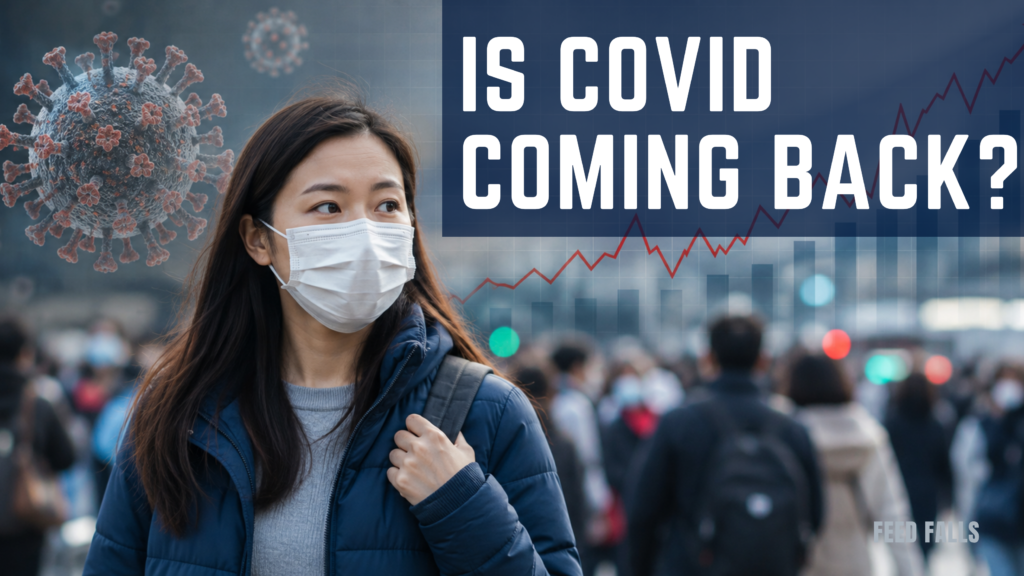
If you’re asking “is COVID coming back?”, the short answer is: COVID-19 activity is increasing in parts of the United States, but current data do not indicate a return to the pandemic conditions of 2020–21.
As of August 21, 2026, the CDC reported that national and regional COVID-19 activity was increasing, particularly in the West and South. At the same time, the overall amount of acute respiratory illness sending people to health care remained very low.
That distinction matters. A summer rise in COVID infections is not the same thing as a new nationwide emergency.
Why Are COVID Cases Rising?
COVID-19 continues to circulate year-round, and waves can occur outside the traditional winter respiratory-virus season.
Recent reporting has highlighted a summer increase in COVID activity, with some parts of the country seeing infections rise. CDC data support that broader trend, although the severity and size of the increase vary by region.
The CDC’s August 21 update showed COVID-19 activity increasing nationally and regionally, while influenza activity remained low and RSV activity was very low in most areas.
Other respiratory viruses are circulating too. Rhinovirus and enterovirus activity was increasing nationally, while parainfluenza was elevated in some regions.
That means not every cough, fever or sore throat currently going around is COVID.
Is This Another COVID Pandemic?
There is no evidence in the current CDC data of a return to the extraordinary levels seen during the pandemic.
The CDC currently describes the overall amount of acute respiratory illness causing people to seek health care as very low. COVID activity is increasing, but the broader respiratory-illness picture remains relatively limited.
This is an important difference from the early pandemic years, when hospitals faced unprecedented pressure and COVID-19 caused widespread severe illness.
COVID has instead become an ongoing respiratory disease that can produce periodic waves.
Could COVID Rise Further This Fall and Winter?
It could.
Respiratory viruses typically become more active as people spend more time indoors and seasonal transmission patterns change. But it is too early to know the size of the next major COVID wave.
The current summer increase should therefore be viewed as a trend to watch rather than proof that a major winter surge is coming.
Wastewater monitoring is particularly useful because it can detect SARS-CoV-2 in communities, including infections that never lead to a doctor’s visit. The CDC updates its national wastewater data weekly.
How Can You Tell COVID From a Cold or Flu?
You generally cannot reliably distinguish COVID from flu or another respiratory infection based only on symptoms.
COVID and influenza can both cause symptoms such as:
- Fever or chills
- Cough
- Fatigue
- Headache
- Muscle aches
- Sore throat
- Congestion
The CDC notes that testing may be needed because the symptoms overlap. Some molecular tests can detect COVID and influenza at the same time.
What Should You Do If You Get Sick?
If you develop respiratory symptoms, consider testing for COVID, particularly if you have risk factors for severe illness or have been around someone vulnerable.
People at higher risk should contact a healthcare professional promptly if they test positive or develop concerning symptoms because treatment may reduce the risk of severe disease.
It is also sensible to avoid exposing others while you’re sick and follow current public-health guidance for respiratory infections.
When Is COVID an Emergency?
Seek urgent medical attention for serious symptoms such as:
- Difficulty breathing
- Persistent chest pain or pressure
- New confusion
- Inability to wake or remain awake
- Pale, gray or blue-looking skin, lips or nail beds
These are among the CDC’s emergency warning signs for COVID-19.
The Bottom Line
Is COVID coming back? Not in the sense of a return to the 2020 pandemic—but COVID activity is rising in the U.S.
The latest CDC data show an increase in COVID activity, especially in some regions, while overall respiratory illness remains very low.
The more important question now is not whether COVID will disappear or “come back,” but how large the next wave becomes and whether it leads to increased severe illness and hospitalizations. Those trends will become clearer as more data accumulate.