
Xylitol Artificial Sweetener: What New Heart Risk Research Shows
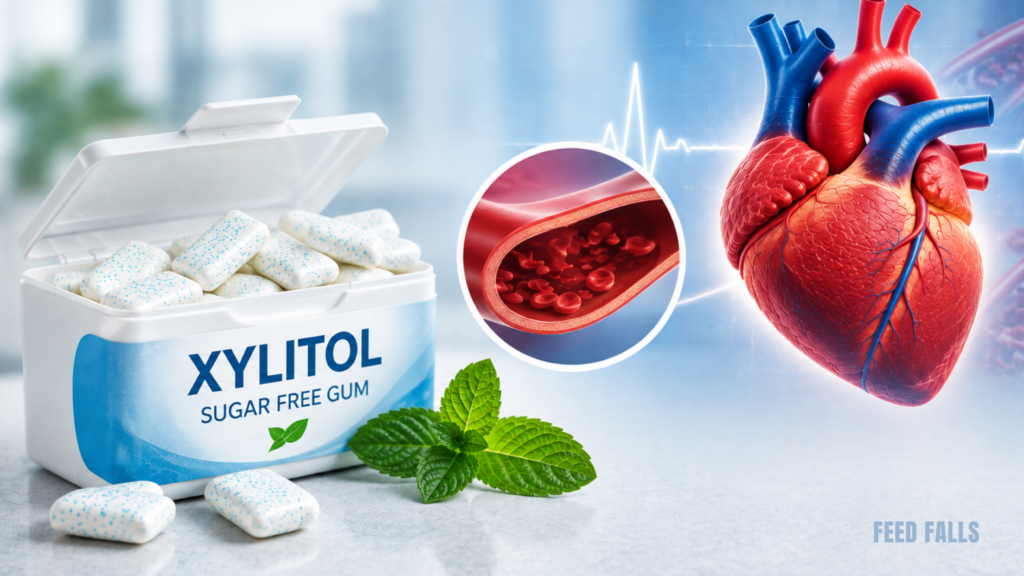
Xylitol is a sugar alcohol used in products such as sugar-free chewing gum, toothpaste, candies and some foods. New research has renewed concern about whether higher levels of xylitol in the blood may be associated with cardiovascular problems, including heart attacks and strokes.
The findings are important, but they do not prove that eating xylitol causes heart attacks or strokes. The latest evidence adds to earlier research suggesting a possible connection between xylitol, platelet activity and blood clotting, while more research is still needed to establish cause and effect.
What is xylitol?
Xylitol is a sugar alcohol, or polyol, used as a lower-calorie alternative to sugar. It occurs naturally in small quantities in some fruits and vegetables, but commercial products can contain much higher concentrations.
You may encounter xylitol in:
- Sugar-free chewing gum
- Mints and candies
- Toothpaste and oral-care products
- Some jams and other processed foods
- Products marketed as reduced-sugar alternatives
Xylitol has traditionally been attractive because it provides sweetness with less effect on blood glucose than ordinary sugar and is commonly used in dental products.
What does the new research say?
A large study highlighted in August 2026 examined blood xylitol levels and cardiovascular outcomes. Researchers reported an association between higher circulating xylitol levels and major cardiovascular events, including heart attack, stroke and death. The study included 17,710 people, according to reporting on the research.
People with the highest measured xylitol levels had a higher risk of cardiovascular events than those with the lowest levels. However, this type of observational evidence cannot by itself establish that xylitol was the cause.
That distinction matters. Higher xylitol levels could potentially reflect dietary patterns, metabolism or other factors associated with cardiovascular risk.
Why are scientists concerned about blood clotting?
The new findings build on research published in 2024 that investigated a possible biological mechanism.
That study found that circulating xylitol levels were associated with major adverse cardiovascular events. Laboratory experiments also suggested that xylitol could increase platelet responsiveness and promote thrombosis, or blood-clot formation.
The researchers also conducted a small intervention involving 10 healthy volunteers who consumed a xylitol-containing drink. Platelet responsiveness increased after consumption. Because the intervention was very small, however, it cannot establish what happens across the general population over the long term.
Does xylitol cause heart attacks or strokes?
That has not been established.
The strongest conclusion from the current evidence is that xylitol exposure and cardiovascular risk warrant further investigation. The 2024 study itself called for additional research into the cardiovascular safety of xylitol.
This is different from saying that normal consumption of xylitol directly causes a heart attack or stroke.
There is also continuing scientific debate around sugar alcohols and cardiovascular health. A 2025 review noted that evidence on xylitol and related compounds remains mixed and that some studies have not demonstrated a significant cardiovascular risk.
Should you stop consuming xylitol?
There is not enough evidence to recommend that everyone completely eliminate xylitol.
For consumers, the more practical takeaway is to avoid assuming that “sugar-free” automatically means risk-free. Xylitol can be useful for reducing sugar exposure, particularly in oral-care products, but its long-term cardiovascular effects deserve continued study.
If you regularly consume large amounts of products containing xylitol and have concerns about your cardiovascular health, discussing your diet with a healthcare professional is reasonable.
One important warning for pet owners
Xylitol is extremely dangerous to dogs and can cause severe poisoning. Products containing xylitol should be kept away from pets.
The bottom line
The latest research makes the xylitol artificial sweetener an area worth watching, particularly because earlier studies have also raised questions about platelet activation and clotting.
But the evidence does not currently justify saying that xylitol causes heart attacks or strokes. For now, the scientifically responsible conclusion is that a potential cardiovascular connection has been identified and needs larger, longer-term and better-controlled studies.